
Get full access with a free account
Benefits of the Coloplast® Professional Educational platform
- Get full access to all educational content, events and resources
- Track your progress
- Share content with your collegues
- Share supporting material with your patient

Silent Scream: Unveiling the agony of shoulder pain in people with spinal cord injury
Shoulder pain isn't just discomfort; it's a scream that echoes through every movement, every transfer, and every moment of daily life.
Have you ever experienced a pain so intense it felt like a scream trapped within your body? For those with spinal cord injury (SCI), shoulder pain isn't just discomfort - it's a scream that echoes through every movement, every transfer, and every moment of daily life.
In this article, we delve into the interplay between shoulder pain, falls and minimizing unnecessary transfers to help preserve long-term independence.
Meet the Multidisciplinary Team
Supporting individuals with spinal cord injury involves a team of multidisciplinary allied healthcare peers including physiotherapists, exercise physiologists and nurse consultants. Meet the multidisciplinary team, who will be sharing their insights on supporting these individuals.
Leigh Dunstan
Physiotherapist
VIC
Kwan Leung
Exercise Physiologist
NSW
Claire Sands
Urology Nurse Consultant
VIC
Kylie Wicks
Spinal/Continence Clinical Nurse Support NSW

Silent Agony of ‘Screaming’ Shoulder Pain
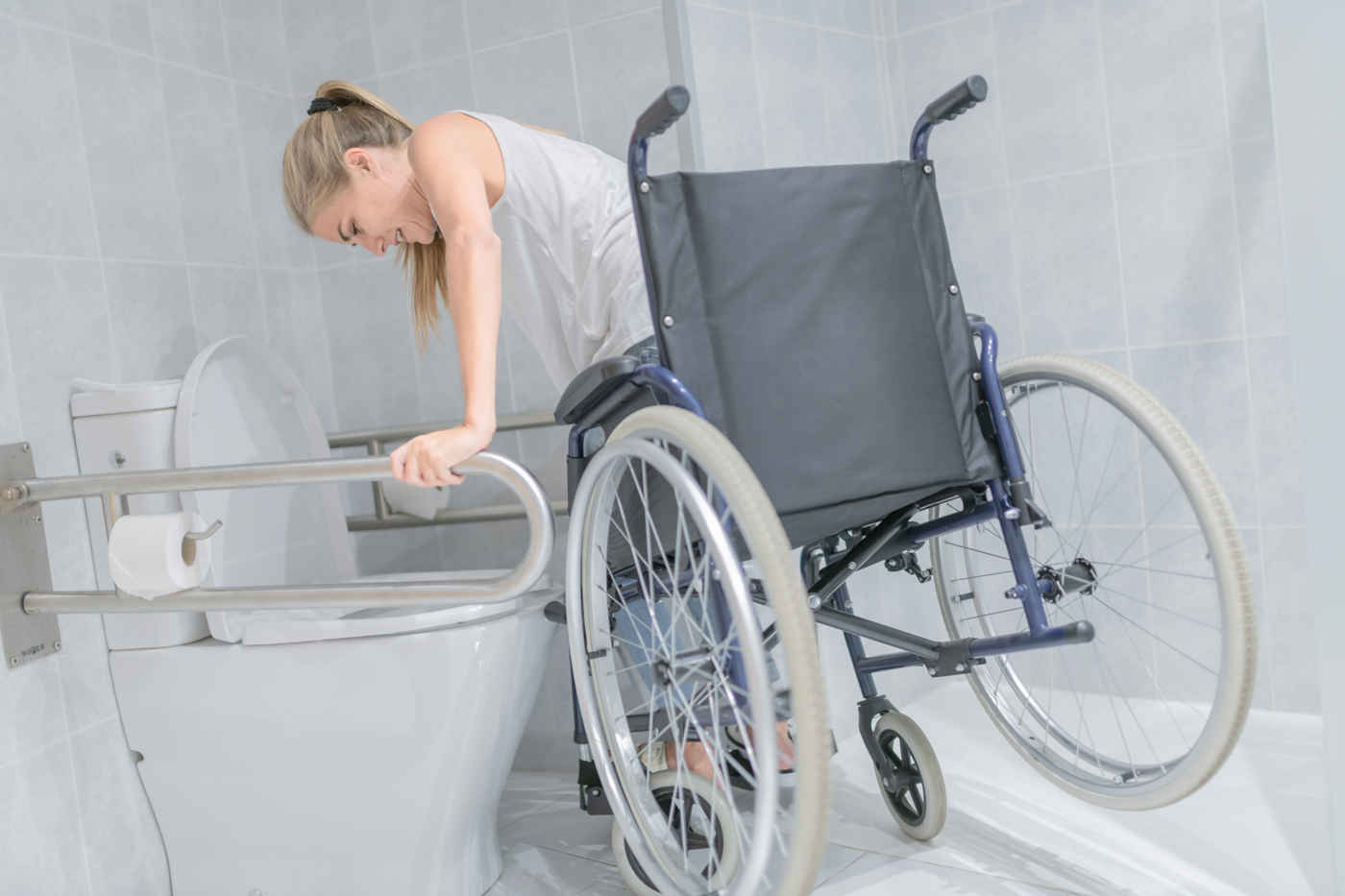
Imagine this: every time you move from your wheelchair to another surface, whether it's a bed or toilet, you experience a sharp, stabbing pain in your shoulders. This is the reality for many people living with SCI. The constant strain placed on the shoulders – a relentless agony that can affect not only their physical well-being but also mental health.

The Toll of Transfers: Risk of Falls
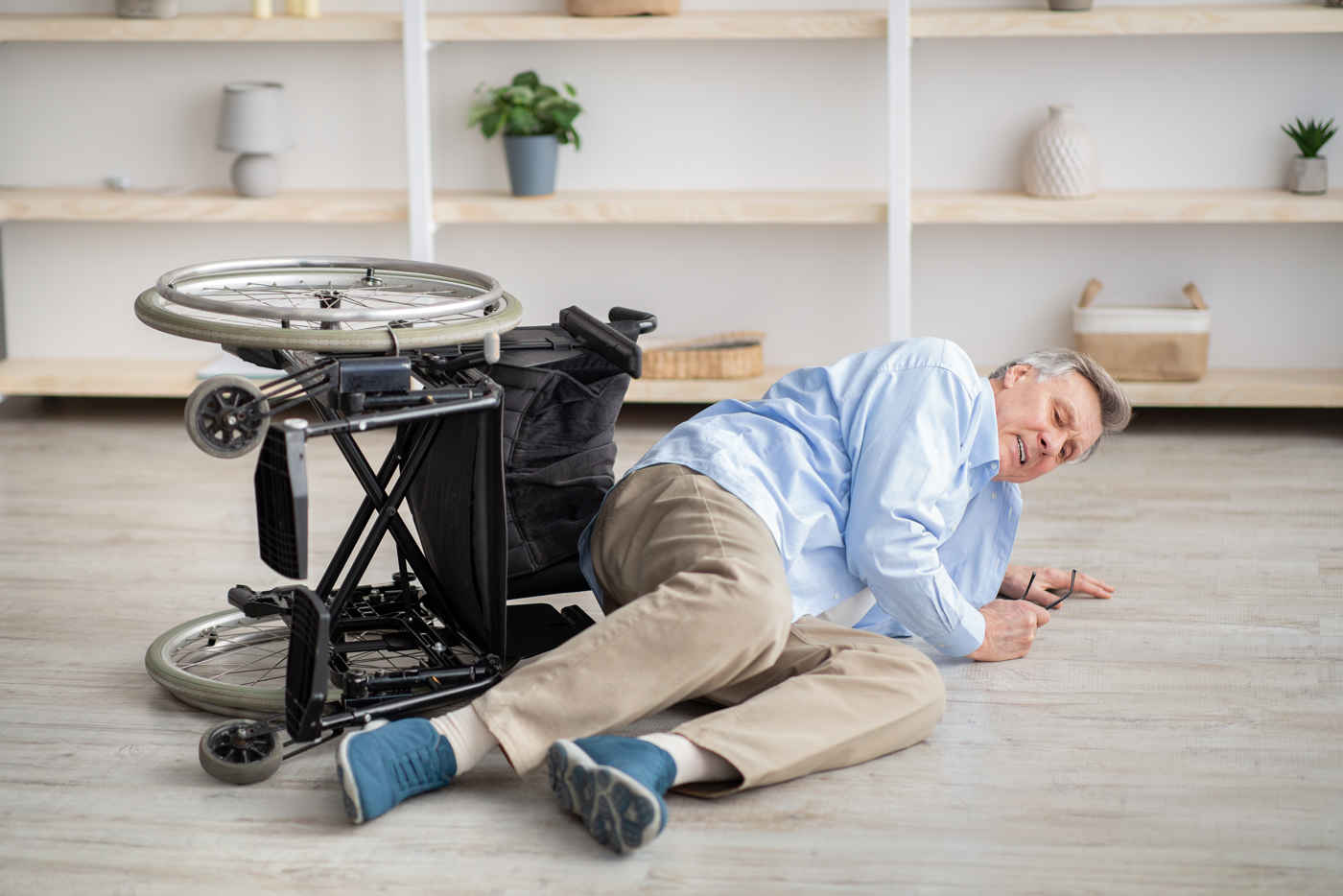
Alongside the pain, individuals with SCI face another risk: falls during transfers. Whether it's slipping while moving from the wheelchair to the bed or losing balance during a transfer to the toilet, the fear of falling is a constant companion for many.
Minimising Unnecessary Transfers, Maximising Comfort
While the challenges posed by shoulder pain and falls in SCI are profound, they are not insurmountable. By prioritizing strategies to minimise unnecessary transfers, individuals can reclaim control over their mobility and reduce the toll on their shoulders.
Bladder emptying options for individuals in wheelchairs
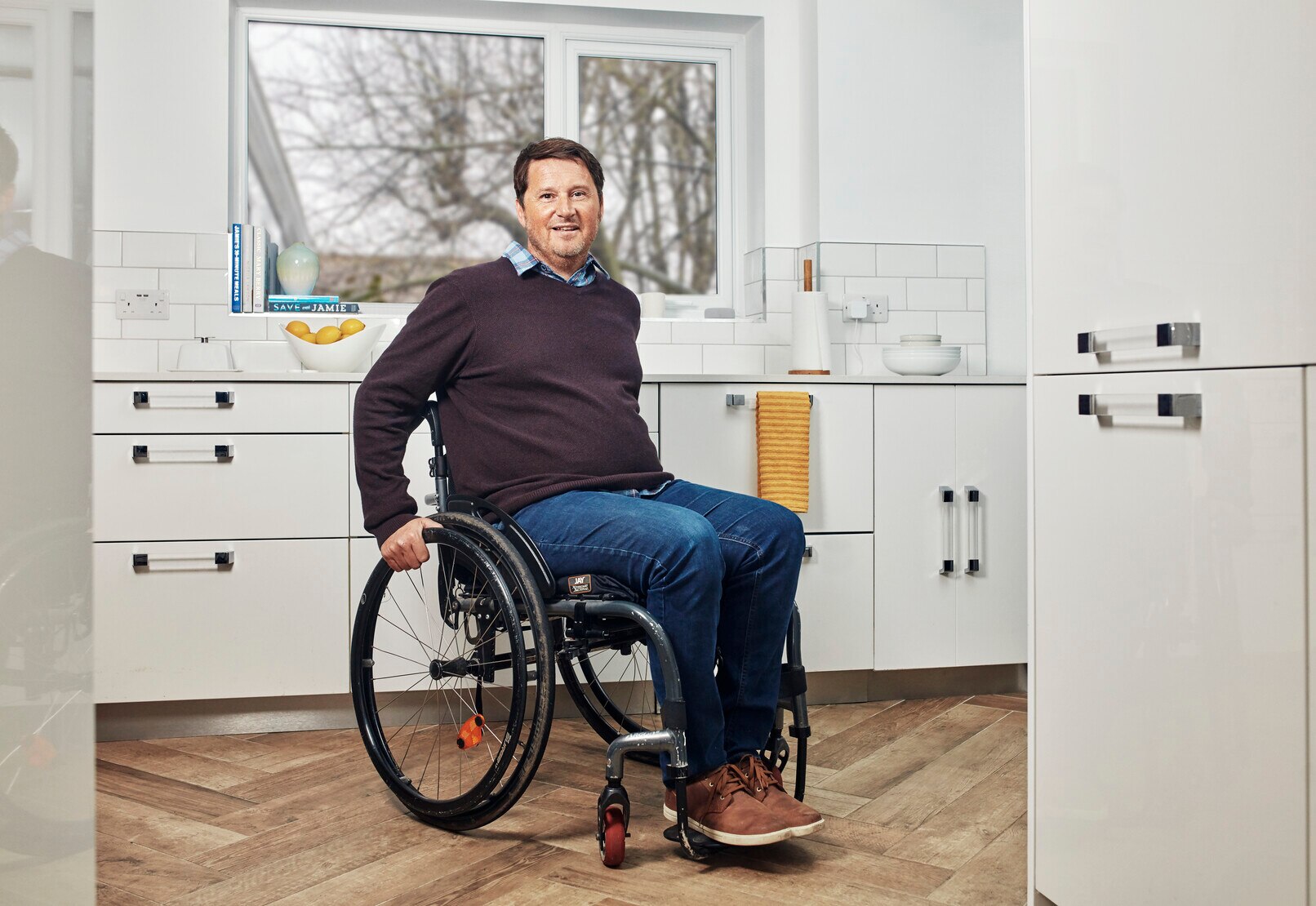
Shoulder pain and falls associated with transfers are significant challenges for individuals living with SCI. By addressing these issues proactively through proper techniques, strengthening exercises, assistive devices, and reducing unnecessary transfers such as those to the bathroom with the use of set solution, individuals can enhance their mobility, reduce pain, and minimise the risk of falls.

References:
1. Barbareschi G, Holloway C. Disabil Rehabil: Assistive Technology 2020; 15(5): 545-552.
2. Marshall K et al. Spinal Cord 2023; 61: 57–64.
3. You JS et al. J Phys Ther Sci 2017; 29: 478-83.
4. Vahr S et al. EUMA 2013, p, 1-96.
5. Coulet B et al. Orthop Traumatol Surg Res 2022; 108(1S): 103170.
PM 34235